
The Pros and Cons of Moving to a Retirement Village


Moving to a retirement village is a big decision. And it should be. You’re choosing where you’ll live, how you’ll spend your days, and what happens to a large part of your money.
Before you visit anywhere or sign anything, it’s worth understanding what you’re actually weighing up.
The Good Stuff
You stop worrying about the house
Lawns, exterior maintenance, gutters, insurance, repairs. In most retirement villages, these are covered through your weekly fee.
For many people, that’s one of the biggest benefits. No more organising tradies or dealing with unexpected bills when something breaks.
You’re around people
This sounds simple, but it matters more than many people realise.
A lot of older New Zealanders end up living alone, and loneliness can become a real issue. Retirement villages give you the option to be around people without forcing you into activities or social events if that’s not your thing.
You can join in as much or as little as you like.

Your family worries less
Most villages offer some sort of emergency support system, whether that’s a pendant alarm, smoke monitoring, or a call centre that checks in if something triggers.
For adult children especially, knowing mum or dad has backup there can be a huge relief.
Your costs become more predictable
When you know what your weekly fee covers, budgeting becomes a lot easier.
You’re not dealing with surprise maintenance bills, rising rates, or saving up for repainting and repairs. Some villages even offer fixed weekly fees that never increase.
Homes are designed for the future
Good retirement villas are built with ageing in mind.
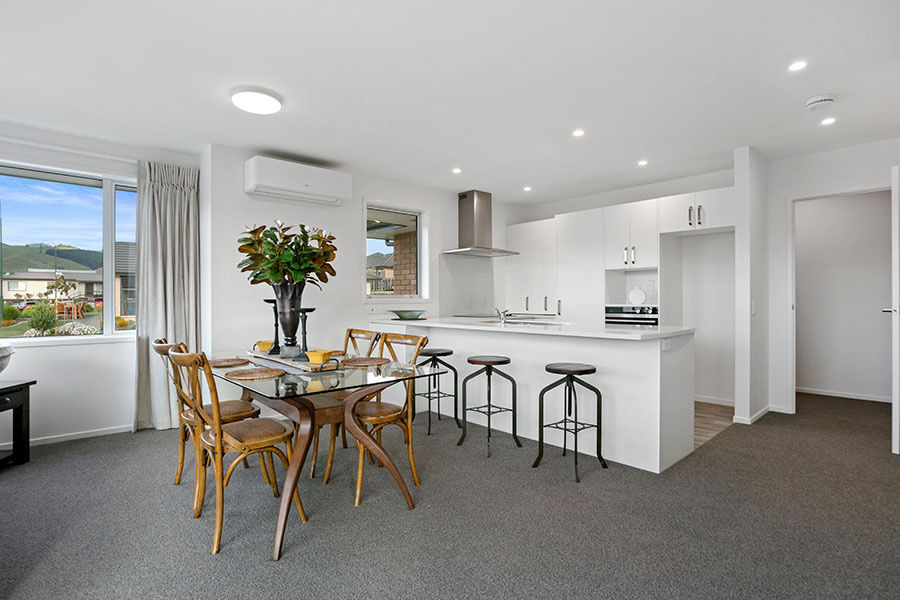
Single-level layouts, walk-in showers, level entrances, wider spaces and practical living areas all make day-to-day life easier as time goes on.
It’s usually far easier to move into the right home before you need it rather than after.
The Things to Think Carefully About
You usually don’t own the property
This is probably the biggest thing people misunderstand.
In most retirement villages, you’re purchasing an Occupation Right Agreement rather than buying the property itself. That means you have the right to live there, but you don’t own the land or building, and you generally won’t benefit from capital gains when you leave.
Some villages do offer freehold options, so if ownership matters to you, it’s important to ask about this early on.
There’s usually a Deferred Management Fee
Most retirement villages deduct a percentage of your entry payment when you leave. This is called a Deferred Management Fee, or DMF.
The percentage and structure can vary quite a bit between villages, so it’s important to understand exactly how it works and have your lawyer go through it carefully before signing anything.
If you want a better understanding of how retirement village fees and deferred management fees work in New Zealand, we’ve covered that in more detail here.
Weekly fees can increase
Some villages tie their weekly fees to inflation or the Consumer Price Index, meaning they can rise over time.
That may not sound like much initially, but over a long stay it can make a noticeable difference. Always ask whether the fee is fixed or variable and what circumstances allow it to change.
Every village has different rules
Some villages are more flexible than others.
Things like pets, visitors, parking a motorhome, adding a pergola, or even putting up a clothesline can vary widely. If independence matters to you, it’s worth checking the rules before you commit.
It’s an emotional move
Leaving a long-time family home is a big step emotionally, not just financially.
Give yourself time. Visit more than once. Sit with the decision properly before rushing into anything.
What to Look For When Comparing Villages
Go and visit in person. Brochures only tell you what a village wants you to see. Walking around tells you what it actually feels like.
Ask questions like:
• Is the weekly fee fixed or can it increase?
• How does the Deferred Management Fee work?
• Are there any refurbishment costs when you leave?
• Are pets allowed?
• What happens if your needs change later on?
• Can you personalise your villa?
• What are the rules around visitors and parking?
And trust your instincts. If somewhere feels overly corporate, too formal, or full of rules, there’s usually a reason for that feeling.
Why Some People Choose Longridge
Longridge Country Estate in Paeroa was created around a simple idea: if we were going to live here ourselves, what would we actually want?
The approach at Longridge has always been centred around flexibility, independence and keeping life feeling practical and relaxed.
The weekly fee is currently $169, and for residents aged 75 and over, it’s fixed for life. There are no refurbishment costs when you leave unless there’s damage beyond normal wear and tear.
And when it comes to lifestyle, the approach is pretty straightforward: the answer is yes unless there’s a good reason for it to be no.
Pets, motorhomes, boats, clotheslines, pergolas, friends staying over. All fine.
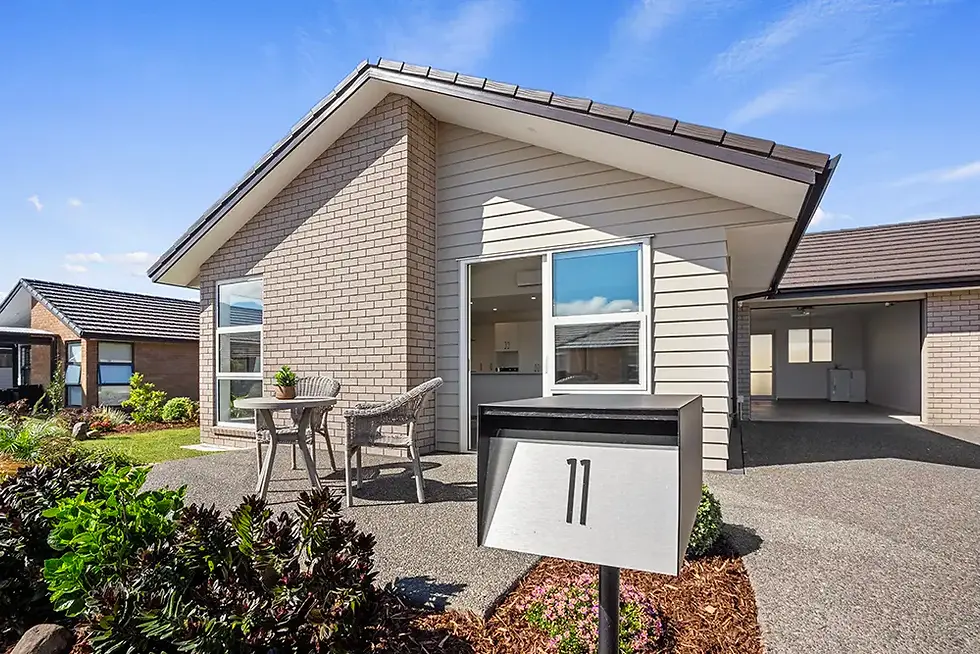
Set across 60 sunny acres in Paeroa with views of the Coromandel Ranges, Longridge offers two and three-bedroom villas in both standalone and duplex designs, starting from $755,000.
If you’d like to come and have a look around, we’re open Monday to Friday from 10am to 3pm, and weekends by appointment. Call 0800 928 928 or email info@longridgecountryestate.co.nz.

